Le présent ouvrage propose une analyse contemporaine de la condition et du statut social des femmes dans le Nord-Cameroun. S’appuyant sur les regards croisés d’anthropologues, de linguistes, de sociologues et d’historien·ne·s, il retrace les trajectoires d’émancipation, d’autonomisation et de mise en visibilité des femmes dans un contexte profondément bouleversé par la crise de Boko Haram. En ébranlant les structures sociales de base, cette crise a instauré un nouvel ordre au sein duquel les femmes ont su investir un espace inédit. Chaque chapitre explore ainsi les processus de mutation et de revalorisation de l’image féminine à travers l’évolution des rôles, des statuts et des attributions sociales. Dans un environnement marqué par l’instabilité, les femmes ont su faire entendre leur voix et démontrer leurs compétences en matière de sécurité, de paix, d’autonomisation et de cohésion sociale. Cet ouvrage constitue par ailleurs une réflexion pionnière sur les enjeux liés à la condition féminine dans un environnement longtemps décrit comme phallocratique et réfractaire à toute forme d’évolution ou de débat autour de l’égalité des genres. Il en ressort un état des lieux précieux, mettant en lumière les résistances, les dynamiques de transformation et les perspectives d’avenir.
À partir des années 1980, les institutions internationales ont incité les pays africains à recourir à des instruments politiques de financement de la santé inspirés d’une approche libérable. Les patient·e·s ont de plus en plus payé les soins, les formations sanitaires ont été mises en concurrence, des ristournes et des primes ont été données aux soignant·e·s, des mutuelles de santé ont été lancées. Dans cet ouvrage qui s’adresse aux historien·ne·s de la santé et aux personnes intéressées par la santé publique, il s’agit de remonter le temps et de comprendre comment ces outils s’inscrivent dans une continuité historique. À partir du Sénégal et avec une analyse originale des archives coloniales, de la presse et des publications, l’étude montre que les idées libérales de l’organisation et du financement des soins étaient déjà ancrées dans l’administration coloniale française. Elles étaient même présentes à l’échelle de l’Empire et confirment le manque de préoccupation pour l’accès aux soins des populations africaines et des plus pauvres. Les défis actuels de ces approches pour la couverture sanitaire universelle ont donc une histoire ancienne que l’ouvrage met au jour pour réclamer un changement de paradigme.
***
ISBN pour l’impression : 978-2-925128-46-5
ISBN pour le PDF : 978-2-925128-47-2
DOI : à venir
371 pages
Design de la couverture : Kate McDonnell
Date de publication : novembre 2025
This book critiques the notion of “Pygmalion democracy,” where deceptive forms of nationalism and propaganda, marinated in new technologies, communications and platforms, mask social inequalities and anti-democratic practices. This book, with some twenty authors from eight countries, problematizes war/conflict, environmental catastrophe, the media, education, peace, social injustice and social movements enmeshed within the context of Pygmalion democracy. The authors advocate for transformative, inclusive democracy through dialogue and solidarity, challenging hegemonic norms and promoting non-hierarchical decision-making and civil engagement. We hope that we can collectively create (non-normative) democratic spaces together, involving civil society, marginalized sectors, the arts, diverse learning engagements, citizen fora and activism.
///
Cet ouvrage critique la notion de « démocratie Pygmalion », où des formes trompeuses de nationalisme et de propagande, imprégnées des nouvelles technologies, communications et plateformes, masquent les inégalités sociales et les pratiques antidémocratiques. Cet ouvrage, rédigé par une vingtaine d’auteurs et d’autrices de huit pays, problématise la guerre et les conflits, les catastrophes environnementales, les médias, l’éducation, la paix, l’injustice sociale et les mouvements sociaux, ancrés dans le contexte de la démocratie Pygmalion. Les aut·eur·rice·s prônent une démocratie transformatrice et inclusive, fondée sur le dialogue et la solidarité, remettant en question les normes hégémoniques et promouvant une prise de décision non hiérarchique et l’engagement citoyen. Nous espérons pouvoir créer collectivement des espaces démocratiques (non normatifs), impliquant la société civile, les secteurs marginalisés, les arts, les divers engagements d’apprentissage, les forums citoyens et le militantisme.
///
Este libro critica la noción de la “democracia Pigmalión”, donde formas engañosas de nacionalismo y propaganda, impregnadas de nuevas tecnologías, comunicaciones y plataformas, enmascaran desigualdades sociales y prácticas antidemocráticas. Este libro, con una veintena de autores de ocho países, problematiza la guerra/conflicto, la catástrofe ambiental, los medios de comunicación, la educación, la paz, la injusticia social y los movimientos sociales envueltos en el contexto de la democracia Pigmalión. Los autores abogan por una democracia transformadora e inclusiva a través del diálogo y la solidaridad, desafiando las normas hegemónicas y promoviendo la toma de decisiones no jerárquica y la participación ciudadana. Esperamos que podamos crear colectivamente espacios democráticos (no normativos), involucrando a la sociedad civil, los sectores marginados, las artes, diversas formas de aprendizaje, foros ciudadanos y activismo.
Rhumsiki est une revue scientifique pluridisciplinaire publiée par la Faculté des Arts, Lettres et Sciences Humaines et Sociales (FALSH) de l’Université de Maroua, au Cameroun. À l’image du site emblématique dont elle porte le nom – symbole de richesse culturelle, d’altérité et de confluence entre traditions et modernité – la revue Rhumsiki entend être un carrefour intellectuel ouvert à la diversité des regards, des disciplines et des problématiques qui traversent les sociétés humaines.
Elle accueille des contributions originales en sciences humaines et sociales, notamment en histoire, géographie, sociologie, anthropologie, psychologie, lettres, langues, arts, philosophie, sciences de l’éducation, science politique, et domaines connexes. Les articles proposés peuvent prendre la forme de recherches empiriques, d’analyses théoriques, de notes de lecture critiques ou encore de réflexions méthodologiques.
Rhumsiki se donne pour ambition de valoriser les travaux portant sur l’Afrique en général, et le Sahel en particulier, tout en s’ouvrant à des perspectives comparées et globales. La revue s’adresse aux chercheur·euse·s, enseignant·e·s, doctorant·e·s, professionnel·le·s du développement et à tous ceux et celles qui s’intéressent à la compréhension fine des dynamiques sociales, culturelles, politiques et économiques du monde contemporain.
Liste des contributeurs et contributrices : DOLLO MANDANDI, Éric Achille NKO’O BEKONO, Gilbert Willy TIO BABENA, GONDEU LADIBA, Jean-Marie DATOUANG DJOUSSOU, Joseph BOMDA, Mahamat MEY MAHAMAT, Mbiah Anny Flore TCHOUTA, Rachel ASTA MÉRÉ, Remy DZOU TSANGA, Théophile KALBE YAMO, WARAYANSSA MAWOUNE et ZAKINET DANGBET.
***
ISSN : 2312-766X
206 pages
Design de la couverture : Kate McDonnell
Date de publication : 2025
Ce numéro spécial, issu des Grands programmes de recherche de la Faculté des Arts, Lettres et Sciences Humaines de l’Université de Maroua, interroge la complexité des frontières à l’Extrême-Nord du Cameroun, région sahélienne marquée par le terrorisme islamiste et des dynamiques transfrontalières multiformes. Réunies sous le thème « Regards pluriels sur la frontière à l’Extrême-Nord du Cameroun », les contributions explorent les représentations, les usages et les tensions qui structurent ces marges. Au-delà des tracés administratifs, les frontières apparaissent comme des zones de contact, d’échanges, de conflits et de résilience. Elles révèlent des ambivalences profondes, à la fois héritées de la colonisation et réactualisées par les crises sécuritaires, de Boko Haram à la grande criminalité transfrontalière. Ces études, nourries de perspectives plurielles, offrent des clés pour comprendre comment ces marges influencent la vie des populations et les circulations dans le bassin du Lac Tchad. Malgré la violence et l’instabilité, les personnes, les biens et les plantes continuent à circuler entre le Cameroun, le Nigeria et le Tchad, rappelant le caractère mouvant et négocié de la frontière. En définitive, ce numéro propose une lecture nuancée de la frontière comme fait social total : imposée et contestée, fragile et persistante, violente et vitale.
Liste des contributeurs et contributrices : Aimé Raoul SUMO TAYO, Crépin WOWÉ, GIGLA GARAKCHEME, Gilbert Willy TIO BABENA, HAMADOU, Jean GORMO, Jean-Marie DATOUANG DJOUSSOU, Jeremie DIYE, Joël MBRING, Joseph WOUDAMMIKÉ, MAHAMAT ABBA OUSMAN, NDJIDDA ALI, OUSMANOU ABDOU, Paul Basile Odilon NYET, Samuel KAMOUGNANA et WARAYANSSA MAWOUNE.
***
ISSN : 2312-766X
294 pages
Design de la couverture : Kate McDonnell
Date de publication : 2025
Haïti est un pays où l’économie sociale et solidaire (ESS) et le secteur informel constituent les principaux moteurs de la résilience économique et sociale. Dans un contexte marqué par des inégalités territoriales, un accès limité aux infrastructures et un cadre institutionnel fragile, ces modèles économiques permettent à des millions de personnes, en particulier aux femmes, de générer des revenus, d’assurer la survie de leurs familles et de dynamiser les territoires.Cet ouvrage propose une analyse approfondie des dynamiques entrepreneuriales rurales et urbaines en Haïti, en mettant en lumière le rôle central des femmes dans le commerce, l’agriculture et les services communautaires. À travers une approche pluridisciplinaire combinant économie territoriale, économie du développement et nouvelle économie géographique, il questionne l’efficacité des politiques publiques haïtiennes et propose des pistes d’action pour une meilleure intégration de l’ESS dans les stratégies de développement territorial et économique.Pourquoi l’ESS reste-t-elle sous-exploitée en Haïti? Quels sont les défis et opportunités pour structurer et renforcer l’économie informelle? Comment les politiques publiques peuvent-elles mieux accompagner les femmes entrepreneures et les initiatives locales?
***
ISBN pour l’impression : à venir
ISBN pour le PDF : à venir
DOI : à venir
236 pages
Design de la couverture : Kate McDonnell
Date de publication : 2025
Que veut dire « Gravité des choses »? Grave ne veut pas dire terrifiant, inquiétant, stressant. Ce mot désigne les grandes questions de la vie, les questions qui ont le pouvoir de faire souffrir ou de construire, de détruire ou d’éveiller, qui permettent de ramener à l’essentiel derrière le bruit de la vie quotidienne, les énervements dans lesquels on peut s’enfoncer sans raison et surtout sans savoir comment émerger.
« C’est avec ces mots que Florence Piron (disparue en 2021) [a] débuté en 2019 l’écriture de son livre La gravité des choses – expression née de la bouche de son plus jeune fils, qui lui avait déclaré, vers l’âge de dix ans, que son grand frère ne « comprenait pas la gravité des choses ». Séduite par cette expression toute simple et renvoyant pourtant à un monde immense, Florence [a] décidé d’intituler ainsi le livre qu’elle projetait depuis longtemps d’écrire. Celui-ci aurait constitué l’aboutissement de toutes ses réflexions, issues non seulement de sa carrière de professeure-chercheuse à l’Université Laval, mais aussi de sa vie de femme, de mère, de militante et d’éditrice. » (Sarah-Anne Arsenault, extrait de l’avant-propos)
Design de la couverture : Kate McDonnell, photographies de Laure-Hélène Piron et Érika Nimis, photomontage d’Audrey Legerot, sur une idée de Florence Piron
Sous la direction de Benjamin Coriat, Justine Loizeau et Nicole Alix
Pour accéder au livre en version html, cliquez ici (à venir).
Pour télécharger le PDF, cliquez ici (à venir).
Parler aujourd’hui des communs de proximité répond à au moins deux actualités. Dans un contexte où l’impératif de la transition écologique se consolide tandis que la dégradation des services publics sur les territoires ne permet plus de pallier les exclusions créées par un marché lucratif en extension sur de nouvelles sphères de l’activité humaine (social, santé, culture, éducation, accès à une alimentation digne…), les initiatives citoyennes qui prennent en charge l’intérêt général se multiplient, y compris dans des domaines où on ne les attendait pas. Comment nommer ces initiatives de proximité?
Par ailleurs, la théorie et la pratique des communs ne cesse de s’enrichir dans la lignée légitimée par Elinor Ostrom. On parle désormais de communs fonciers, numériques, urbains, ou même globaux. Pourquoi ne pas ajouter les communs de services de proximité?
Dans cet ouvrage collectif, nous explorons des initiatives et réfléchissons à partir d’une définition proposée par Benjamin Coriat. Nous caractérisons les communs de proximité par trois critères interreliés : (1) une initiative citoyenne et autogouvernée, (2) dont la visée est le service de l’intérêt général dont l’accès reste ouvert et (3) ancrée sur le territoire et respectueuse des écosystèmes dans lesquels elle est insérée.
La Coop des Communs a réuni pendant trois ans des personnes praticiennes et du monde de la recherche qui se sont mis à l’écoute et l’analyse d’autres, actrices de terrain venues présenter leurs expériences et leurs questions. Le présent ouvrage est le résultat de ce travail collectif.
Né d’échanges entre des enseignant·e·s du Québec et d’Haïti suscités par un partenariat entre le Cégep de Rimouski et le Collège La Sainte-Famille des Gonaïves, cet ouvrage rend hommage aux personnes qui relèvent chaque jour le défi d’entrer en relation avec les autres pour les soutenir dans leurs apprentissages.
Malgré la crise en Haïti et la pandémie mondiale, le coordonnateur pédagogique du CSF, Jean Noé Alcéus, et la formatrice, Annie-Claude Prud’homme, ont voulu poursuivre leur dialogue sur l’interculturalité et l’éducation, entamé depuis 2018, en posant à leurs collègues la question suivante : « Quelle expérience d’apprentissage vécue dans votre enfance, votre adolescence ou votre âge adulte, à l’école ou à l’extérieur de l’école, a eu une influence sur la personne que vous êtes devenue? »
Les récits recueillis constituent le cœur de ce livre. Ils permettent d’aborder des thèmes comme le respect de soi et de l’autre, la relation pédagogique, le rôle de l’erreur dans l’apprentissage, jusqu’à une prise de conscience commune : toute relation a le pouvoir de se transformer et de transformer, s’il y a aveu partagé de sa fragilité.
Usually when we celebrate our year in review, we get a little bit loud. . .okay, well, maybe we get REAL loud! We’re not usually ones to shy away from joyous bombast, especially when celebrating the hard work of our writers and editors, and the deep relationship we have with our readers. We wouldn’t be here without your clicks, your sharing, and your inspiration, and we love the excitement of readers becoming writers. It’s our favorite! But we don’t want our joy and celebration to be drowned out by 2023’s many loudnesses. We’re starting off 2024 with neither a bang nor a wimper, but instead, with the quiet but powerful resonance of ripples in water, which is exactly the energy our top ten posts bring. Please enjoy them, and keep these ideas spreading far and wide, near and far. Thank you. We’ll be dropping more gems in the pond in 2024. –JS
“On the night of September 12, Colombian pop star Shakira made history as the first predominantly Spanish-language artist to be honored as MTV’s Video Vanguard at the Video Music Awards (VMAs). The award recognizes artists who have had a major and innovative impact on music videos and popular music. Shakira played a 10-minute medley of Spanish and English hits from her three-decades long career. Her performance demonstrated her breadth as an artist as she shifted from pop to rock to reggaetón.
Not only did she demonstrate her impressive musical range, but of her 69 singles, Shakira selected those that represent two significant crossover moments for Latin music. She sang hits like “Wherever, Whenever,” “Hips Don’t Lie,” and “She Wolf” from her English-language crossover in the early 2000s as part of the so-called “Latin Boom.” She sang 2001’s “Objection (Tango)” with the same samba/rock music arrangement she used at her very first VMA performance in 2002.”
“[. . .] The past few years may have been a remarkable advancement in voice tech with companies such as Amazon and Sanas AI, a voice recognition platform that allows a user to apply a vocal filter onto any human voice, with a discernible accent, that transforms the speech into Standard American English. Yet their hopes for accent elimination and voice mimicry foreshadow a future of design without justice and software development sans cultural and societal considerations, something I work through in my artwork in progress, The Cyborg’s Prosody (2022-present).
The Cyborg’s Prosody is an interactive web-based artwork (optimized for mobile) that requires participants to read five vignettes that increasingly incorporate Tagalog words and phrases that must be repeated by the player. The work serves as a type of parody, as an “accent induction school” — providing a decolonial method of exploring how language and accents are learned and preserved. The work is a response to the creation of accent reduction schools and coaches in the Philippines. Originally, the work was meant to be a satire and parody of these types of services, but shifted into a docu-poetic work of my mother’s immigration story and learning and becoming fluent in American English.”
Geographically, the Paso del Norte (PdN) region includes the city of El Paso, Texas, Ciudad Juárez, Mexico, as well as neighboring cities in the state of New Mexico (see map). U.S. citizens live and play in Juárez, and those in Juárez (Juarenses), live and work in El Paso with families extended on both sides; continually moving back and forth. Yet, this broader region has long been plagued with sensationalizing headlines, both in the U.S. and in Mexico, that cast violent and limiting portrayals of these borderland communities. Recognized as sister cities, El Paso and Ciudad Juárez are seen less as close-knit siblings and more like distant cousins with Juárez routinely referred to undesirably as the little sister or ugly sister in comparison to El Paso. Indeed these hierarchical north/south (first world/not-quite-first-world) distinctions are products of histories of colonialism, unequal trade policies, and racial capitalist systems galvanized by immigrant detention camps (a tenant of the Immigration Industrial Complex). Within larger conversations about border cities, both Tijuana (San Diego) and Reynosa (McAllen) are recognized as the “primary” border cities due to their larger population size, transnational capital, and industrious reputations.
Two decades ago, Josh Kun’s concept of the “aural border” invited scholars to consider the US/Mexico border as a “field of sound, a terrain of musicality and music-making, of melodic convergence and dissonant clashing” (2000). Kun’s writings over the years have roused generations of sound scholars to listen to borders, border crossings, border communities and how they reverberate their economic, social, and migrant conditions. This essay intentionally moves away from Kun’s (beloved) border city of Tijuana and towards a less-referenced US/Mexico border city: Ciudad Juárez, Mexico. Here, 1,201 kilometers east of Tijuana, we offer an opportunity to listen to Juárez’s everyday bustling of migratory life through the digital sound repository, the Border Soundscapes Project.
“[. . .] I have a particular interest in extended and experimental vocality, especially gained through my time singing with Musarc Choir and working with artist Fani Parali. In these instances, I have experienced the pleasurable challenge of being asked to vocalise the mythical, animal, imagined, alien and otherworldly edges of the sonic sphere, to explore complex relations between bodies, ecologies, space and time, illuminated through vocal expression.
Following from [Nina] Eidsheim, and through my own vocal practice, I believe AI’s prerequisite of voices as “fixed, extractable, and measurable ‘sound object[s]’ located within the body” is over-simplistic and reductive. Voices, within systems of AI, are made to seem only as computable delineations of person, personality and identity, constrained to standardised stereotypes. By highlighting vocal potential, I offer a unique critique of the way voices are currently comprehended in AI recognition systems. When we appreciate the voice beyond the homogenous, we give it authority and autonomy, ultimately leading to a fuller understanding of the voice and its sounding capabilities.”
“Sound has a peculiar relationship to mindfulness; zoning in and out, active and passive forms of listening while we situate our listening practices alongside other daily activities. Especially when it comes to driving, listening to something or someone or just singing aloud by myself, I have realized, helps me drown out other noises of alertness. Over the years I have come to value background music or chatter and especially radio programming that takes the burden of curation and scheduling off my back, in all sorts of tasks that require deep concentration. Enough and more has been said about the visual-bias in various forms of ethnographic inquiry (see Andrew C. Sparkes’s “Ethnography and the senses” for a good example). Without belaboring these arguments, I also find that knowing through listening and listening as a mode of non-haptic yet immersive and intimate engagement can also prove to be a fruitful method of inquiry, especially in our post-pandemic worlds, where it feels a lot harder to establish intimacy. The United Nations noted that radio, in particular, “provided solace” during that period of physical distancing and social isolation.
For me, radio sparked my accidental realization and foregrounding of sonic methods as an itinerant means of getting to know new things, people and surroundings in life and research when I moved from New York to the San Francisco Bay Area in mid-2022 to start a new position as a postdoctoral researcher. Knowing that I would continue living in California for the near future, after eight long years of having deferred driving in America, I decided to learn driving and buy a car.”
“[. . .] My mother grew up listening to her father sing boleros, and she would later sing with the Florida Grand Opera Chorus when I was a child. My early knowledge of opera came from her. Growing up in Miami Beach, I would also listen to reggaetón and hip-hop in afterschool programs. The Parks & Recreation department would host dances for us, and that was where I first learned to dance perreo. My early musical surroundings represent what it means to be a colonial subject, to hear the Italianate vocal legacies of opera mixed with the Afro-Diasporic and Indigenous rhythms of reggaetón. This post contextualizes my experience within bolero’s colonial history and legacy particularly its operatic disciplining of brown and Black bodies and voices. Reggaetóneras provide models for sonic subversion by being ronca, raspy, or breathy, and thus overriding internalized Eurocentric dichotomies of feminine and masculine vocal timbres.
When I began my own operatic training in college, I was constantly told to “purify” my voice, to resist vocal “fry,” and to handle my acid reflux by avoiding spicy foods. I was steered away from singing the pop songs I had grown up with, and kept many musical activities secret, like when I soloed for the tango ensemble and my a cappella group. In graduate school, thanks to my Latina roommates, I began listening to reggaetón again. I reunited with the voices that raised me and was reassured that their teachings of resistance would always present themselves when I needed them”
“[. . .]The app currently known as TikTok began as Musical.ly, which was shuttered in 2017 and then rebranded in 2018. By March of 2021, the app boasted one billion worldwide monthly users, indicative of a growth rate of about 180%. This explosion was in many ways catalyzed by successive lockdowns during the first waves of the COVID-19 pandemic. Despite the relaxation and subsequent abandonment of COVID mitigation measures, the app has retained a large volume of its users, remaining one of the highest grossing apps in the iOS environment. TikTok’s viral success (both as noun and adjective) has worked to create a kind of vibe economy in which artists are now subject to producing a particular type of sound in order to be rendered legible to the pop charts. [. . .] The app, which is the perfect–if chaotic–fusion of both radio and video is enmeshed in a wider media ecosystem where social networking and platform capitalism converge, and as a result, it seems that TikTok is changing the music industry. . .”
The cold winds staked their claim over Toronto, where my parents had recently arrived from the Philippines. They were underdressed and making their way down Parliament Street. Despite being warned of a shift in temperature, they were not expecting the brutal intensities of Canadian winter. I’m not sure how anyone anticipates the sharp sting of negative temperatures when they are arrivants used to tropical climates. Undeterred, my mother and father headed to a small Filipino grocer, hoping to encounter a semblance of domestic familiarity. Pressed against the biting winds, my mother abruptly stopped, looked at my father and said, “Tumutolo ang sipon” – you have a runny nose. To which my father replied, “Ikaw din” – you do too! They both started laughing and laughed again when they retold me this story 48 years later. When faced with the challenges of migrating to a new and very cold country, they managed to mine humour from a deep well of difficult circumstances. We had been listening to the song “In My Life” by the Beatles (Lennon & McCartney 1965). Something in its expression, melody, and feeling caused my parents to be transported to this small but important moment.
“In October 2019, Google released an ad for their Google Assistant (GA), an intelligent virtual assistant (IVA) that initially debuted in 2016. As revealed by onscreen text and the video’s caption, the ad’s announced that the GA would soon have a new celebrity voice. The ten-second promotion includes a soundbite from this unseen celebrity—who states: “You can still call me your Google Assistant. Now I just sound extra fly”— followed by audio of the speaker’s laughter, a white screen, the GA logo, and a written question: “Can you guess who it is?”
Consumers quickly speculated about the person behind the voice, with many posting their guesses on Reddit. The earliest comments named Tiffany Haddish, Lizzo, and Issa Rae as prospects, with other users affirming these guesses. These women were considered the most popular contenders: two articles written about the new GA voice cited the Reddit post, with one calling these women Redditors’ most popular guesses and the other naming only them as users’ desired choices. Those who guessed Rae were proven correct. One day after the ad, Google released a longer promo revealing her as the GA’s new voice, including footage of Rae recording responses for the assistant. The ad ends with Rae repeating the “extra fly” line from the initial promo, smiling into the camera.
Google’s addition of Rae as an IVA voice option is one of several recent examples of Black people’s voices employed in this manner. Importantly, this trend toward Black-voiced IVAs deviates from the pre-established standard of these digital aides. While there are many voice options available, the default voices for IVAs are white female voices with flat dialects. This shift toward Black American voices is notable not only because of conversations about inclusion—with some Black users saying they feel more represented by these new voices—but because this influx of Black voices marks a spiritual return to the historical employment of Black people as service-providing, labor-performing entities in the United States, thus subliminally reinforcing historical biases about Black people as uniquely suited for performing this type of work.”
“In the 1992 Hollywood film Sneakers, depicting a group of hackers led by Robert Redford performing a heist, one of the central security architectures the group needs to get around is a voice verification system. A computer screen asks for verification by voice and Robert Redford uses a “faked” tape recording that says “Hi, my name is Werner Brandes. My voice is my passport. Verify me.” The hack is successful and Redford can pass through the securely locked door to continue the heist. Looking back at the scene today it is a striking early representation of the phenomenon we now call a “deep fake” but also, to get directly at the topic of this post, the utter ubiquity of voice ID for security purposes in this 30-year-old imagined future.
La réflexion déployée dans cet ouvrage offre une perspective contemporaine sur les pratiques narratives et biographiques, dans le champ des sciences de l’éducation, de la formation, de l’orientation, l’éducation à la santé et, plus largement, dans les domaines relevant des sciences humaines et sociales. Les douze chapitres qui le constituent – qui couvrent six pays, trois continents – interrogent l’actualité de ce qui a été désigné comme « le tournant narratif » durant les années 1990. Cela est réalisé à partir de différentes approches adaptées à divers contextes : recherche qualitative, recherche narrative, histoire de vie en formation, autobiographie raisonnée, groupes de discussion, intervention en milieux sensibles… La démarche conduite, croisant les perspectives interdisciplinaire et internationale, rend compte de la vitalité d’un paradigme, celui des pratiques narratives en formation et recherche. Des perspectives de recherche s’en trouvent caractérisées, entre recherches via les récits et recherches sur les récits, entre narration de soi et formation de soi.
Avec les contributions de Ayoub Ait Dra, Hervé Breton, Marie-Claude Bernard, Livia Cadei, Varvara Ciobanu-Gout, Maria Amália de Almeida Cunha, Denise Gisele de Britto Damasco, Priscila de Oliveira Coutinho, Laurizete Ferragut Passos, Matthias Finger, José González-Monteagudo, Davide Lago, Maria Helena Menna Barreto Abrahão, Claire Moreau, Grace Perside Poeri, Isabelle Vachon.
Photo of Francisco and Emma Mecija in their apartment near Parliament Street. December 1975. Courtesy of Francisco and Emma Mecija.
December 1975.
The cold winds staked their claim over Toronto, where my parents had recently arrived from the Philippines. They were underdressed and making their way down Parliament Street. Despite being warned of a shift in temperature, they were not expecting the brutal intensities of Canadian winter. I’m not sure how anyone anticipates the sharp sting of negative temperatures when they are arrivants used to tropical climates. Undeterred, my mother and father headed to a small Filipino grocer, hoping to encounter a semblance of domestic familiarity. Pressed against the biting winds, my mother abruptly stopped, looked at my father and said, “Tumutolo ang sipon” – you have a runny nose. To which my father replied, “Ikaw din” – you do too! They both started laughing and laughed again when they retold me this story 48 years later. When faced with the challenges of migrating to a new and very cold country, they managed to mine humour from a deep well of difficult circumstances. We had been listening to the song “In My Life” by the Beatles (Lennon & McCartney 1965). Something in its expression, melody, and feeling caused my parents to be transported to this small but important moment.
In her conversation with Christine Bacareza Balance, “‘Revolutions in Sound’: Keynote Duet” (2022) Alexandra T. Vazquez writes: “The popular…leaves so much room for engagement with sound artists (musicians without the gallery). None of them need theorists to argue for them, to argue for their mattering because to so many, they already do. How do they instead invite theorists to take part in something alongside them?” (12). I was never a big fan of the Beatles, but regardless of my opinions, they were popular. As a relentlessly oppositional teenager, I was put off by their mass popularity. As Vazquez suggests, despite one’s musical taste, songs are invitations, not scholarly conquests. The memory re-opened by my parents’ connection to “In My Life” was an invitation for me to take stock of the song’s affective and, for them, diasporic trajectories. As Balance (2022) suggests songs request us to “listen long so we hear where another is coming from” (15). For her, “long” describes temporality and commitment. To “listen long” implies that duration and attention are the pretext for empathic relations.
“In My Life” was released in 1965. My mother was fifteen years old when she first heard the song on the radio in a boarding house in Marbel, Philippines. One year later, on July 16, 1966 the Philippine Free Press would announce, “The Beatles Are Coming” (de Manila as cited by Robert Nery in “The Hero Takes a Walk” 2018). At that time, Ferdinand Marcos was the newly elected president of the Philippines, and Imelda Marcos was his First Lady. The Marcoses would later unleash an era of violent dictatorial power and impose Martial Law in 1972, escalating political suppression (Burns 2013). My mother recalls that the band’s first and only appearance in the Philippines was remembered by many less for their two scheduled concerts and more for their “snub” of Imelda. The Beatles were noticeably absent at a lunch reception they were expected to attend with the First Lady at the Presidential Palace. Their absence, attributed to a communication error between the concert promoter and the band’s manager, incited public disapproval and resulted in the sudden disappearance of their security escort and hotel and porter service. Unlike in other cities, the band was refused room service and was forced to carry their own luggage (Nery 2018).
What is striking about this moment is that it breaks from preoccupations with Filipinx desires for assimilation and mimicry of Western imperial projects. In Video Night in Kathmandu and Other Reports from the Not-So-Far East, British travel writer Pico Iyer (1988) famously stated that Filipinx people are the “[m]aster of every American gesture, conversant with every western song…the Filipino plays minstrel to the entire continent (153)” Turning against imperial scripts and the band’s documented disdain of “Mosquito City” and even worse, John Lennon’s comment that a return to the Philippines would require “an H-bomb,” the soured residues of their visit marks a queer rupture in Beatlemania. The public decried that Filipinx people deserved better from the band, capturing what Balance describes in Tropical Renditions: Making Musical Scenes in Filipino America (2016),as “disobedience” in that “disavows a belief in the promises of assimilation” (5). For me, Filipinx non-compliance textures the sonic substance of “In My Life.” While the shadow of the Marcoses cronyism and corruption is an inescapable footnote, it is the defiant voices of hotel employees, dismayed fans, and airport workers that insisted on the “ordinariness” (Wofner & Smeaton, 2003) of the Beatles that holds the song’s queer decibels.
Photo of Hannah Dyer and Casey Mecija at their baby shower. December 2017. Image by Sarah Creskey.
There are places I’ll remember all my life, though some have changed. Some forever, not for better. Some have gone, and some remain.
“In My Life” (Lennon & McCartney 1965).
January 2018.
I am sitting on my couch watching a Toronto Raptors game. The television emits light that flickers through a large window that frames a bright winter moon. I am 41 weeks pregnant at this point (feeling similarly shaped and sized as the moon outside). My stubborn queer resistance to the Beatles somehow dissipated during my pregnancy, and the song “In My Life” made its way to me. I would quietly sing the song to my pregnant belly. Then, that January night, I felt a snap inside my body and a rush of water down my legs. I won’t go into much gratuitous detail other than to say that at 12:49 pm the next day, Asa Cy Dyer-Mecija was born at home.
And these memories lose their meaning when I think of love as something new.
“In My Life” (Lennon & McCartney 1965)
Sometimes, I needed to couch the queerness of pregnancy in words that were not mine. The distance between these words and the ones I had yet to find would help to structure my unfolding love for Asa. Here, queerness presented a modality of encounter with uncensored desires. Queerness is often theorized as a utopian impulse; the queerness of my pregnancy jostled both the hopes and fears brought up by the unknown terrain of parenting amidst heteronormativity. For me, “In My Life” is riven by sentimentality and nostalgia, but it also gave melody to a tender relationship with myself and my new role in the world. This was the sonic throughline to my parents, a queer inheritance of tension made from the hopes for kinder contexts amidst the limitations of harsh realities.
Photo of Asa Cy Dyer-Mecija and Casey Mecija at home. January 2018. Image by Casey Mecija.
December 2022.
I was invited to perform as part of the Queer Songbook Orchestra’s holiday fundraiser. The Queer Songbook Orchestra is a chamber pop ensemble that hosts an annual concert focused on songs and stories about “chosen family and queer joy” (Queer Songbook n.d.). At that time, Asa was four years old. He is a child of the pandemic. He’s a kid with two moms, a present and kind donor, and is dearly loved by his Lolo and Lola, his grandparents, aunts, titas, uncles, cousins, kuya, ate, and his beautiful chosen family. My partner, Hannah, and I sometimes worry about how his world will be affected by reactions to the makeup of our family, but mostly, we know he’ll be sure he’s loved by many.
To me, the song “In My Life” offers a useful sonic response to homophobia. As a baby, after Asa’s baths, I would often wrap him in a towel, and while rocking him back and forth, I would sing these lyrics from the song: “Though I know I’ll never lose affection for people and things that went before, I know I’ll often stop and think about them. In my life, I love you more” (Lennon & McCartney 1965). To me, this statement is a queer ethos. We know that 2SLGBTQ+ people have necessarily and creatively reworked and reimagined the organization and expression of kinship. When family is so often bounded by what Julianne Pidduck calls “constraints of relationality” in “Queer Kinship and Ambivalence”(2008: 441), the lyrics “In my life, I love you more” are a call to action. More is a word used comparatively to insist that there is something greater, something more exists, something more is possible. I embrace the challenge to love more. My queerness urges me to love more, and parenting Asa does, too. On the evening of the performance, indexed by my parents’ struggles and our shared disdain for the chill of winter, Asa and I performed “In My Life” together. The video of our performance will remain a treasured sonic archive that I will return to often, and as Asa gets older, I hope it reminds him of how beautiful he’s always been.
Video credit: Directed by Colin Medley
—
Casey Mecija is an Assistant Professor in the Department of Communication & Media Studies at York University. Her current research examines sound as a mode of affective, psychic, and social representation, specifically in relation to diasporic experience. Drawing on sound studies, queer diaspora studies and Filipinx Studies, her research considers how sensorial encounters are enmeshed and disciplined by social and psychic conditions. In this work, she theorizes sounds made in and beyond Filipinx diaspora to make an argument about a “queer sound” that permeates diasporic sensibilities. She is also a musician and filmmaker whose work has received several accolades and has been presented internationally.
“Hip Hop does work that a lot of other things don’t do” Young Guru (viii).
The way that we imagine English Studies, specifically Composition and Rhetoric (Comp/Rhet), today needs a radical shift. Specifically, we need new techniques for Writing Studies pedagogy to reach students in a more meaningful and contemporary fashion. Todd Craig’s “K for the Way:” DJ Rhetoric and Literacy for 21st Century Writing Studies (Utah State University Press, 2023) both documents the need for this shift and enacts it. Craig’s work enables us to recognize the pedagogical impact on writing that Hip Hop has had over the last 50 years—specifically how the DJ/deejay as twenty-first century new media reader and writer teaches students not just to think about sound, but to compose with it, too.
An Associate Professor of English at CUNY Graduate Center, Craig has little desire to shake the foundations of English Studies, but instead do what Hip Hop has always done—make a way where there is none. The point is to (re)imagine new ways of doing old things; in this case, of teaching and reaching students who arrive in First-Year Writing courses. “K for the Way” does more than demonstrate the ways in which the DJ is a twenty-first century pedagogical savant; it also teaches readers, using DJ Rhetoric and DJ Literacy, about the culture that makes them possible.
This summer, a DJ really did save my life: as someone who feels consistently overwhelmed by the vast nature of scholarly discourse, “K for the Way” gave me a chance to breathe, to identify with something that has been a part of me for the better part of my life, and to see myself in a conversation about a topic I am more than passionate about. For Craig, community, history, and culture are the core of his mission as a scholar, educator, and DJ.
Craig defines several new terms that bridge the worlds of Hip Hop and Composition and Rhetoric. First, we have DJ Rhetoric, which can be understood as the modes, methodologies, and discursive elements of the DJ. For Craig, it “encompasses the quality of oral, written, and sonic language that displays and expresses sociocultural, historical, and musical meanings, attitudes, and sentiments” (23). Next, there is DJ Literacy, which is the “sonic and auditory practices of reading, writing, critically thinking, speaking, and communicating through and with the rhetoric of Hip Hop DJ culture” (23). These two definitions, operating in conjunction, situate the DJ as a kind of griot, a figure that Adam Banks invokes as a carrier of tradition, stories, and histories in Digital Griots: African American Rhetoric in a Multimedia Age (Studies in Writing and Rhetoric)(2011). The mission of the griot is to carry stories and translate them to various audiences while adhering to the rhetorical conventions and modes of whichever audience they find themselves before; similarly, the DJ is responsible for “communicating the pulse and the evolution of a culture that once sat as ‘underground’ but now has dramatically evolved to ‘mainstream’” (25). These definitions serve as guides for the reader as they are tethered to all of the concepts and (re)imagining happening throughout the book.
Craig is intimately close to the work he is doing. He lives and breathes Hip Hop; and what should a book about the Hip Hop DJ be if not written by someone who embodies the role, culture, and practice of DJing? Craig uses a a research methodology known as hiphopography in which Hip Hop ways of being are central to studying it. Coined by James G. Spady, this term is defined as “a shared discourse with equanimity, not the usual hierarchical distancing techniques usually found in published and non-published (visual-TV) interviewers with rappers” (27). Craig states that hiphopography “allowed me to engage a variety of Hip Hop DJs while also maintaining my own shared values and sentiments around my love of Hip Hop culture and DJ practices” (28). Hiphopography constructs a conversational, intimate space—touched by history, culture, and music—wherein the interviewer and interviewee can engage and produce meaningful data. This methodology—and Craig’s many interviews with DJs about their craft—becomes part of the text’s core as we begin to see how Craig’s two-pronged argument connects DJ Rhetoric and DJ Literacy to bring both life throughout the book.
If one understands the DJ as a twenty-first century rhetorician and compositionist and considers the ways in which the DJ is a cultural meaning-maker, sponsor, and master sampler, then one can clearly see the connections between the DJ, DJ culture, and Writing Studies in the contemporary moment. In the first part of his argument supporting the significance of DJ Rhetoric and Literacy in writing pedagogy Craig asserts that, “it is essential that the academy at large works to strengthen students’ undergraduate experiences by reinforcing their racial, ethnic, and cultural ties” (14). This perspective provides the foundation for the second part of his argument that “the DJ (and thus, Hip Hop DJ culture) is the epicenter of Hip Hop culture’s creation” (23). Taken together, these dynamic arguments make the claim that the DJ offers a powerful model of a new media reader, writer, and critic. Today, our students come to writing classrooms with a “vast array of cultural capital. . .in their philosophical and cultural backpacks” (107). If we, as writing teachers, want to honor that cultural capital and build with it, we should follow Craig’s lead and look toward the DJ for some pointers on how to expand students’ access to a language that represents them.
Readers will also see a developing research agenda in “K for the Way” that thinks toward changing the culture beyond the present, while acknowledging the groundwork laid for the current moment and building genealogically upon that foundation, just as DJs do with sampling. Craig best exemplifies this when he writes, “in order to fully engage in a conversation—whether intellectual, pedestrian or otherwise—that discusses what DJ Rhetoric might look like, one has to think about the cultural and textual lineage of sponsors and mentors” (51). This notion of textual lineage is borrowed from Alfred W. Tatum who explains the term as “Similar to lineages in genealogical studies” and continues to note that textual lineage is “made up of texts (both literary and nonliterary) that are instrumental in one’s human development because of the meaning and significance one has garnered from them” (Tatum, qtd. in Craig, 51). Craig builds upon Tatum’s idea by introducing sonic lineage, which follows the same logic as Tatum’s term, but through sound (51). What becomes apparent, is that the DJ, as a cultural sponsor, can deploy sonic lineage as a way of communicating history and culture to members within and outside of the Hip Hop community and, more specifically, DJ culture.
Chapter three, especially, works at the interdisciplinary junction of Sound Studies, Writing Studies, and Hip Hop studies to convey a clear critique of the dominant discourse surrounding plagiarism. Craig is unsatisfied with the black-and-white conception of plagiarism as it presents itself in the academy. As a result, he moves to inquire “how we as practitioners [of teaching composition] approach citation methods and strategies within a twenty-first century landscape” (75). Craig promptly turns us toward the DJ’s conceptualization of sampling as a citation practice. Sampling in Hip Hop, as defined by Andrew Bartlett, “is not collaboration in any familiar sense of the term. It is a high-tech and highly selective archiving, bringing into dialogue by virtue of even the most slight representation” (77). The highly selective archiving, a.k.a crate diggin’, builds upon the idea of sonic lineage.
For the DJ, the process of diggin’ through crates to find that right sound, that one joint that going to get the party jumpin’, is a key element in the practice of “text constructing” (79). The Hip Hop sample functions alongside an understanding, offered by Alasdair Pennycook, of “transgressive-versus-nontransgressive intertextuality,” which, for an academic audience, complicates the idea of plagiarism.. The DJ becomes a figure through which we can understand intertextuality, sampling becomes the practice through which we can see parallels to citation through text construction, and the mix is where we begin, with the help of Pennycook, to complicate notions of plagiarism. In this chapter, readers are able to understand through sound.
Subsequently, Craig explores the concept of revision as it relates to the DJ’s ability to engage with an emcee on the point of “remix as revision” (107). Building from on Nancy Sommers’ article, “Revision Strategies of Student Writers and Experienced Adult Writers,” Craig lifts and examines four strategies of revision through the lens of the Hip Hop DJ: deletion, substitution, addition, and reordering (Sommers, qtd. in Craig, 107). These practices not only identify the Hip Hop DJ as a master of revision but also center the DJ, in the context of the writing classroom, as a key figure for understanding editorial practice. As teachers of writing—and especially for those of us who are deeply connected to Hip Hop culture—we have traditional scholars, such as Sommers, but we also have the DJ as cultural scholar, which offer new models with communicating and practicing the craft of writing in the twenty-first century.
Prof. Todd Craig, aka DJ T. O. Double D, in the Mix: Deejaying, Teaching, Writing, Making, Speaking, Listening (Source: Twitter, 11/7/2023)
Chapter Five, which is co-written by Craig and Carmen Kynard, centers on six women DJs: DJs Spinderella, Pam the Funkstress, Kuttin Kandi, Shorty Wop, Reborn, and Natasha Diggs to work toward developing a “Hip Hop Feminist Deejay Methodology” that positions women in Hip Hop culture as a key source of key knowledge production–as meaning-makers, theoreticians, storytellers–and as tastemakers in twenty-first century discourse about education, technologies, race, and gender. This chapter is also apt representation of hiphopography at work, as both Craig and Kynard ground their position in the interviews of these six women deejays, “deliberately situating their stories first… as opposed to the usual academic expectation that a tedious delineation of methods and an extant literature review come before a discussion of the actual subjects” (123).
In part, this chapter focuses on the affordances and limitations—political, social, and economic—present in DJ culture, and the effects it has on these women DJs to make it do what it does. For example, the introduction of the digital software Serato has simultaneously made access to music easier, and complicated access to the cultural archive that made the music possible in the first place. Natasha Diggs, states, “While she values the ability to access mp3 files so readily, she argues a deejay’s research and craft suffer, because many times the mp3 files do not include information about an artist’s name, history, or band” (129). Pam the Funkstress ties this sentiment up nicely when she argues, “There’s nothing like vinyl” (129).
The final chapter is fashioned like a Hip-Hop outro, with Craig leaving with a few parting ideas. Most important among them is his vision of “Comp 3.0,” a version of Comp/Rhet wherein “we have to push the scope of writing and rhetoric—with or without the field’s permission or acknowledgement” (171). For scholars of composition and rhetoric and writing teachers who ground part of their understanding of the field in Black Studies, Hip Hop, and the DJ, we gotta make it do what it do, regardless of who says what! Comp 3.0 does not seek approval or recognition from the powers that be; instead, it focuses on the new ways of thinking and writing, and of teaching, that we are able to conjure—with history, culture, and practice propelling us—when we invoke that which got us to the academy in the first place.
What is at stake, for those of us who engage Black Studies, Sonic Studies, Comp/Rhet, and Hip Hop Studies as critical points of departure for the teaching of writing, is that our presence—our being, methods, and our teaching—is crucial for developing a genealogy of scholars and world citizens who are aware of the myriad possibilities present in the twenty-first century.
—
Featured Image: Cover Art for “K for the Way”: DJ Rhetoric and Literacy for 21st Century Writing Studies by Cathey White
—
DeVaughn (Dev) Harrisis a PhD student studying composition and rhetoric in NYC. His academic interests are mainly in writing studies and pedagogy, but those are often supported by other sub-interests in music, creative writing, African American studies, and philosophy. When not reading or writing, Dev enjoys making music wherever and however possible. He has published music before under the collective AbstraktFlowz.
—
REWIND! . . .If you liked this post, you may also dig:
La santé mondiale n’est pas la santé des Autres, mais une analyse réflexive internationale dépassant les clivages géographiques et disciplinaires tout en se préoccupant des questions d’équité. Ce livre collectif, qui donne notamment la parole à de jeunes chercheur·se·s de différents pays et continents, propose des études originales sur la résilience des hôpitaux et de leurs personnels face à la pandémie de Covid-19 (Brésil, Canada, France, Japon, Mali, Sénégal), sur la prise en compte des inégalités dans la formulation et la mise en œuvre d’interventions de santé publique (Brésil, Canada, France, Mali) et sur la diffusion de l’information auprès des populations ainsi que leurs perceptions de la Covid-19 et des mesures préventives (Mali, Burkina Faso, Bénin, Sénégal). Tirer des leçons opérationnelles de la pandémie de Covid-19 est essentiel pour que les systèmes de santé soient mieux préparés aux crises multiples et permanentes qu’ils traversent. Notre souhait n’était pas uniquement de produire de nouvelles connaissances mais aussi de partager ces données pour soutenir les prises de décisions actuelles et futures. Utiliser la recherche pour concevoir des interventions et politiques publiques n’est pas encore un réflexe, mais nous espérons que cet ouvrage pourra contribuer à combler cette lacune.
Un plaidoyer du collectif FEMSAM : Élisabeth Arsenault, Marietou Niang, Sophie Dupéré, Marie-Claude Bernard, Isabelle Goupil-Sormany, Valérie Desgroseilliers, Patrice Ngangue et Florence Piron†
Avec la collaboration de la Clinique SPOT, la Coopérative de solidarité SABSA, le Service de référence en périnatalité pour les femmes immigrantes de Québec, Santé Monde et la participation d’Asseita, Fatim, Fatine, Hamscha, Nelly et Malek
Comment les femmes immigrantes de la région de Québec, dont le statut migratoire ne permet pas l’accès au régime d’assurance maladie du Québec, s’organisent-elles pour avoir un accouchement digne, sécuritaire et financièrement accessible? Cette question a mobilisé une équipe de recherche-action participative basée à la Boutique des sciences de l’Université Laval, Accès savoirs, et associée au programme du réseau international Knowledge for Change. Cette recherche a été menée en collaboration avec la Clinique SPOT, une clinique communautaire de santé et d’enseignement, préoccupée par les femmes en situation migratoire précaire ou sans couverture d’assurance maladie, qui sollicitent ses services pendant leur grossesse et leur accouchement. Ce projet a impliqué la participation de six mères et d’un père immigrant·es. Ensemble, nous avons exploré leurs parcours de soins périnataux sans couverture de la RAMQ (Régie de l’assurance maladie du Québec). Ce rapport de recherche se veut un plaidoyer pour le droit à la santé de ces femmes ainsi qu’un réexamen du système d’assurance maladie et de soins, afin qu’il soit plus équitable et inclusif.
Design de la couverture : Kate McDonnell
Date de publication : octobre 2023
***
Table des matières
Introduction
I. État des connaissances
1. Que sait-on de la situation des femmes enceintes immigrantes sans assurance maladie au Québec?
II. Contexte du projet et son approche communautaire participative
2. Contexte et approche des récits de vie
3. Méthode : recrutement et entretiens
4. Les participant·es
III. Nos récits de vie
5. Le récit de Nelly
6. Le récit d’Hamscha
7. Le récit de Fatim
8. Le récit de Fatine
9. Le récit d’Asseita
10. Le récit de Malek
IV. Analyse thématique
11. Analyse thématique transversale
V. Plaidoyer
12. Recommandations des participant·es
13. D’autres recommandations
Références
À propos des Éditions science et bien commun
This series listens to the political, gendered, queer(ed), racial engagements and class entanglements involved in proclaiming out loud: La-TIN-x. ChI-ca-NA. La-TI-ne. ChI-ca-n-@. Xi-can-x. Funded by an Andrew W. Mellon Foundation as part of the Crossing Latinidades Humanities Research Initiative, the Latinx Sound Cultures Studies Working Group critically considers the role of sound and listening in our formation as political subjects. Through both a comparative and cross-regional lens, we invite Latinx Sound Scholars to join us as we dialogue about our place within the larger fields of Chicanx/Latinx Studies and Sound Studies. We are delighted to publish our initial musings with Sounding Out!, a forum that has long prioritized sound from a queered, racial, working-class and “always-from-below” epistemological standpoint. —Ed. Dolores Inés Casillas
—
This post is co-authored by Sara Veronica Hinojos and Eliana Buenrostro
Cardi B eloquently reminds us that our español, as US Latinxs, might seem “muy ratata;” an apt phrase, heard lyrically within her music, used here to characterize inventive, communicative Spanglish word play. Yet, the proliferation of hashtags used to shame and silence second and later generations of Latinx kids runs counter to Cardi B’s ratata blessings.
The hashtags #nosabokid #nosabokids #nosabokidsbelike #nosabokidsorry #iamanosabokid represents a collective acknowledgment of Gloria Anzaldúa’s “linguistic terrorism.” Featured on NBC News, Locatora Radio, the Los Angeles Times and, surely, referenced within familial discussions, #nosabo has brought, once again, to the fore the coupling and, we fiercely argue, the need to decouple language (“proficiency”) from that of Latinx identities. The phrase “no sabo” – a non-standard Spanish conjugation of the phrase “no sé” for “I don’t know” – has become a stand-in as both a linguistic (bad) sign of Americanization and/or a (good) marker of ethnic, bicultural pride.
Anzaldúa has long warned us that, “[e]ven our own people, other Spanish speakers nos quieren poner candados en la boca [want to put locks on our mouths]” (1999, 76). In many ways, the “no sabo” label silences or “locks” one’s mouth. The institutional attempts to Americanize Spanish-speaking individuals constitute a form of violence that has led to the erosion of Spanish spoken among Mexican and Latino families in the United States. Today, children of immigrants are ridiculed for speaking “broken” Spanish, yet, for decades Mexicans raised in the United States experienced harsh consequences and blatant discrimination for speaking Spanish in public; this racism continues today.
As scholars of Latinx listening, these social media posts can be incredibly frustrating. They remind us of the sad reality that many Latinx people do not know their own history or better yet futures. Anzaldúa would describe the intraethnic linguistic policing as, “peleando con nuestra propia sombra” (fighting with our own shadow) (1999, 76); it’s both unproductive and self-inflicting. Poet Michele Serros describes her experiences being policed in her 1993 poem “Mi Problema”:
Applied to speakers (mostly kids) whose Spanish is identified as grammatically wrong or heard with an Anglicized accent, “no sabo” hashtags can encourage people to police each other’s tongues. Social media videos even show parents testing their children’s Spanish. When a child cannot remember or (mis)pronounces a Spanish word, or worse, uses a Spanglish iteration, they are disparagingly called “no sabo kids” (Stransky et al. 2023). Other posts reveal Latinx users’ fear of having and raising a “no sabo kid” or not wanting to date a “no sabo kid.”
Speaking to my kids in Spanish and telling them buenas noches they giggle and say buenos nachossss
Lastly, other posts proudly admit to being a “no sabo kid.” The latest series of “no sabo kids” hashtags are also unapologetic declarations that their language does not define the totality of their being or experiences.
Indeed, speaking Anglicized Spanish as Latinx can surface feelings of embarrassment, disappointment, and mockery from presumed “perfect” Spanish speakers or self-appointed “real” Spanish-English bilinguals. Televised instances of Latin Americans chastising the Spanish spoke of Latinx speakers or the public praise thrown at Ben Affleck for his spoken Spanish in comparison to the public side eyes given to wife, Bronx-raised, Jennifer Lopez are both hyper-mediated instances of #nosabokids.
White people might be praised for learning Spanish – no matter how Anglicized their accent – yet Latinx people whose Spanish is detected as Anglicized, are (racially whitewashed) “no sabo kids” (Urciuoli 2013). And yes, the use of the word “kids” alone infantilizes the speaker as some social media posts point to both children and adults as “no sabo.”
Irrespective of the proficiency in English or Spanish, Latinx individuals share experiences of being corrected in educational settings, at home, or online. The misuse of verb conjugation, such as using “sabo” instead of “sé,” is a developmental challenge encountered even by Spanish-speaking children who are learning solely Spanish. In other words, it is not an exclusive practice among Spanish-English bilingual speakers, despite what social media posts insist. The public discourse that some Latinx social media users are battling is what Jonathan Rosa calls “looking like a language” and, in this case, not “sounding like a race” (Rosa 2019).
imagine i was a no sabo kid & didn’t know what bad bunny was saying
Speaking, listening, and living “muy ratata” with inventive modes of Spanish and English in the U.S. is clearly heard as threatening. For instance, knowledge of another language has always challenged monolingual conservative speakers. Bilingual speakers and listeners routinely teach us how to resignify language practices and ultimately, the meaning of being a “no sabo kid.” (Or how Nancy Morales argues about Los Jornaleros del Norte and Radio Ambulante in the ways they offer new forms of belonging by understanding themselves and respecting each other.)
Entrepreneurs with Chicana and Latina feminist identities are modeling refashioned ways of belonging. For example, Los Angeles-based brand Hija de tu Madre created t-shirts and crewneck sweatshirts with the words “no sabo” to counter the ridicule heard and circulated within social media and to loudly claim a racial, linguistic identity that has nothing to do with shame. Similarly, the card game “Yo Sabo,” founded by a first generation college student of Mexican descent, Carlos Torres, looks for ways to improve his Spanish and simultaneously creates another way to connect with immigrant family members. Labels like “no sabo ” that are intended to categorize people in harmful ways are being repurposed to build community.
The podcast Locatora Radio: A Radiophonic Novela released an episode on April 12, 2023, Capítulo 160: No Sabo Kids, detailing historical reasons why Latinx ethnicities have structurally been banned from learning and speaking Spanish. Perhaps most importantly, Locatora Radio shares with listeners lengthy listener-recorded testimonios.
They provide diverse personal reasons for identifying as a “no sabo kid.” One listener, Paula, is a transracial adoptee whose first language was Spanish. However, because of forced family separation and the foster care system in Virginia, she “lost” her Spanish. Paula was enrolled in Spanish language classes throughout her formal schooling and accepts that her reclaiming of culture and language is a lifelong process. The use of verbal testimonios, a format that makes it possible for podcast listeners to listen to fellow listeners, moves away from posts above that wag their digital finger at “no sabo kids” and instead gives them a space to speak for themselves.
The intense personal and communal fear of losing aspects of culture or language makes it difficult to understand how shifts in language practices and accents are important new forms of belonging as Latinx in the U.S. If we cannot accept our own linguistic diversity, how do we expect others to listen to us?
—
Featured Image: A selection of TikTok #nosabo memes from @marlene.ramir, @yospanishofficial, and @saianana
—
Sara Veronica Hinojos is an Assistant Professor of Media Studies at Queens College, CUNY. Her research focuses on representation of Chicanx and Latinx within popular film and television with an emphasis on gender, race, language politics, and humor studies. She is currently working on a book manuscript that investigates the racial function of linguistic “accents” within media, called: GWAT?!: Chicanx Mediated Race, Gender, and “Accents” in the US.
Eliana Buenrostro is a Ph.D. student at the University of California, Riverside in the Department of Ethnic Studies. She received her master’s in Latin American and Latino Studies from the University of Illinois at Chicago. Her research examines the criminalization, immigration, and deportation of Chicanes and Latines through the lens of music and other forms of cultural production. She is a recipient of the Crossing Latinidades Mellon Fellowship.
***This post is co-written by Petra Rivera-Rideau andVanessa Díaz
On the night of September 12, Colombian pop star Shakira made history as the first predominantly Spanish-language artist to be honored as MTV’s Video Vanguard at the Video Music Awards (VMAs). The award recognizes artists who have had a major and innovative impact on music videos and popular music. Shakira played a 10-minute medley of Spanish and English hits from her three-decades long career. Her performance demonstrated her breadth as an artist as she shifted from pop to rock to reggaetón.
Not only did she demonstrate her impressive musical range, but of her 69 singles, Shakira selected those that represent two significant crossover moments for Latin music. She sang hits like “Wherever, Whenever,” “Hips Don’t Lie,” and “She Wolf” from her English-language crossover in the early 2000s as part of the so-called “Latin Boom.” She sang 2001’s “Objection (Tango)” with the same samba/rock music arrangement she used at her very first VMA performance in 2002.
During this “Latin Boom” of the late 1990s and early 2000s, Shakira and other established Latin stars who had previously performed in Spanish, such as Ricky Martin, Marc Anthony, and the late Selena Quintanilla, dominated the charts with English-language albums. Despite their successful global careers in the Latin market—and the long history and influence of Latinx musicians in U.S. pop music–U.S. media consistently portrayed these artists as exotic newcomers to the scene, praised more for being “Latin lovers” than established musicians. The Latin boom stars were valued as spicy foreigners there to expose Americans to new, exotic Latin sounds – conga beats, flamenco-style guitar riffs, and festive horns – even as many of these songs draw from familiar rock/pop references. Draco Rosa, one Ricky Martin’s co-writers, remembers “channeling [Jim] Morrison” and “elements of big band … a little bit of surf guitar” in the 1999 smash “Livin’ La Vida Loca.”
Despite the Latin Boom’s English-language crossovers, the images and sounds associated with the moment underscored the artists’ foreignness, something that continues today. This year’s Grammys’ botched treatment of superstar Bad Bunny’s performance and acceptance speech, in which, in lieu of translations, the subtitles merely declared that his words were “non-English.” Spanish has long been used to signify Latinxs’ alleged foreignness and inability to assimilate into US life and culture despite the fact that Latinx communities have been part of the fabric of the US for centuries. In the context of increased anti-immigrant sentiment, the popularity of Spanish-speaking artists like Bad Bunny and Shakira takes on even greater significance.
Following the Grammy’s disastrous handling of Bad Bunny’s performance and speech, backlash ensued. A plethora of popular memes and even t-shirts proudly claiming non-English popped up almost overnight. New York Times’ critic and Princeton professor Yarimar Bonilla proclaimed that “Bad Bunny is [Winning in Non-English].” Celebrities from comedian Cristela Alonzo to rapper 50 Cent admonished CBS. Even California Congressman Robert Garcia sent a letter directly to the CBS president and CEO George Cheeks, writing that the incident “display[ed] a lack of sensitivity and foresight. For too many Spanish-speaking Americans, it felt disrespectful of our place in our shared society, and of our contributions to our shared culture.” CBS eventually released a tepid statement saying that their vendor was not adequately equipped to manage Benito’s Spanish-language speech and performance, and Cheeks took “full responsibility” for the incident. Overall, the Grammys snafu reflects the ways in which the American mainstream still is incapable of embracing the status of Latin artists as equal players in the US and global music markets, in any language.
Compared to this year’s Grammys, however, MTV’s VMAs offered a much more inclusive approach, with a historic perspective that demonstrated exactly how we were able to arrive at this new moment in Latin music. When Puerto Rican and Cuban American rapper Fat Joe and Mexican pop star Thalia presented the award for Best Latin video, Thalia reminded the audience that “in the 2000s’ first Latin explosion, we had a song together, and now we’re here celebrating again this new Latin explosion.” This new Latin explosion refers to the numerous Spanish-language artists like Shakira, Bad Bunny, Karol G, and Peso Pluma who have recently broken out in the US mainstream.
But, unlike the previous Latin Boom, these artists have maintained their Spanish and their musical style. Bad Bunny’s Grammy performance included plena, reggaeton, and merengue rather than the kitschy styles of his Latin Boom predecessors. In addition to selling out stadiums around the country, Karol G drew 15,000 fans, the largest crowd in the Today Show’s history, for her reggaetón performance as part of the program’s Summer Concert Series in Rockefeller Center. Just this past September, Eslabon Armado became the first Mexican regional music group to ever perform on Good Morning America with their chart-topping hit “Ella Baila Sola” (the first Mexican regional song to ever hit number one on Billboard’s Global 200 chart). Whether it is the percussive dembow beat of reggaetón or the syncopated horns of corridos tumbados, all of these musicians have maintained the sounds of their respective genres, foregoing the stereotypical “Latin” sonic signifiers historically associated with Latin music.
Shakira herself reflected this moment in her Video Vanguard performance. She performed her new Spanish-language songs as 2022’s “Te Felicito,” and 2023’s “TQG” and “Bzrp Music Sessions: Volume 53” (the latter having broken four Guinness world records, including the most streamed Latin track in 24 hours). All of these songs have been part of this new Latin music movement. In fact, her “TQG” collaborator Karol G also performed her Spanish hits at the show. Mexican regional phenom Peso Pluma sang “Lady Gaga” on a small stage, surrounded only by his band, and called out “¡arriba México!” at the end. Brazilian artist Anitta performed a multilingual medley from her Funk Generation: A Favela Love Story. In addition, Shakira and Karol G won the award for best collaboration for “TQG.” Not only did the women give their acceptance speech in Spanish, shouting out their home country of Colombia, but they also won in a category otherwise populated by mainstream English-language artists like Doja Cat with Post Malone, and Metro Boomin with The Weeknd, 21 Savage, and Diddy. The interchangeable, tropical Latinidad of the earlier Latin boom was replaced with shout outs to specific countries and regions, and the crowd proudly waved Mexican, Puerto Rican, and Colombian flags. At the VMAs, Latin musicians were not isolated in Latin awards categories or depicted as exotic novelties. They were central to the show – nominated for major awards, and celebrated for some of the night’s most memorable performances.
Much like this year’s Coachella, which featured Bad Bunny and K-Pop sensation Black Pink as headliners, this year’s VMAs reflects a more global approach to pop music. Tuesday night’s award show also featured two performances by K-Pop groups, and MTV offered its first ever award in Best Afrobeats. In this context, it makes sense that Latin music would have a significant presence in the program. But the dominance of Latin music right now makes it so that no part of the music industry can leave Latin music out anymore. Not the VMAs, not the Grammys, not Coachella. As Thalia proudly declared on stage, “this last year for the first time in the US Latin music made a billion dollars in streaming.” Bad Bunny has been the most streamed artist on Spotify for three years in a row, has the longest-running Spanish-language album at the top of the Billboard chart, and in 2022 became the only artist in history to stage two separate $100 million-grossing tours in less than 12 months. Karol G became the first woman to have a Spanish-language debut at number one, and came to the VMAs after a string of historic performances at her Mañana Será Bonito stadium tour. Latin music’s global appeal is undeniable and the industry has to respond accordingly.
This is among the most important times in history for Latin music, and honoring artists like Shakira center stage at the VMAs helps underscore the musical evolution we are lucky enough to witness. Twenty years ago, Shakira had to crossover into the US market in English; now she performs in her native Spanish and is more relevant than ever. The global success of stars like Peso Pluma, Karol G, and Bad Bunny means we need to completely reevaluate the concept of the crossover. Latin artists today did not crossover, the market crossed over into them. They are not compromising their language, their identity, or their culture. They do not have to kowtow to industry expectations that they perform the exotic, sexy Latin other. So while the VMA Vanguard Award winner Shakira may have had to crossover into English to make it during the ‘90s Latin boom, she can proudly return to her roots and, this time, the market will follow her.
—
Featured Image: Screen shot by SO! from Shakira’s MTV 2023 Video Vanguard acceptance speech
—
Petra Rivera-Rideau is Associate Professor of American Studies at Wellesley College, and the author of Remixing Reggaetón: The Cultural Politics of Race in Puerto Rico and the forthcoming book Fun, Fitness, Fiesta: Selling Latinx Culture in Zumba Fitness. Vanessa Díaz is Associate Professor of Chicana/o and Latina/o Studies at Loyola Marymount University, and the author of Manufacturing Celebrity: Latino Paparazzi and Women Reporters in Hollywood. Díaz and Rivera-Rideau are the co-creators of the Bad Bunny Syllabus.
This series listens to the political, gendered, queer(ed), racial engagements and class entanglements involved in proclaiming out loud: La-TIN-x. ChI-ca-NA. La-TI-ne. ChI-ca-n-@. Xi-can-x. Funded by an Andrew W. Mellon Foundation as part of the Crossing Latinidades Humanities Research Initiative, the Latinx Sound Cultures Studies Working Group critically considers the role of sound and listening in our formation as political subjects. Through both a comparative and cross-regional lens, we invite Latinx Sound Scholars to join us as we dialogue about our place within the larger fields of Chicanx/Latinx Studies and Sound Studies. We are delighted to publish our initial musings with Sounding Out!, a forum that has long prioritized sound from a queered, racial, working-class and “always-from-below” epistemological standpoint. —Ed. Dolores Inés Casillas
—
This post is co-authored by José Manuel Flores & Dolores Inés Casillas
A borderland is a vague and undetermined place created by the emotional residue of an unnatural boundary. It is in a constant state of transition.
Gloria Anzaldúa (1999)
Ciudad Juárez es número uno/
y la frontera más fabulosa y bella del mundo
Juan Gabriel (lyric to “Juárez es el #1” – 1984)
—
Geographically, the Paso del Norte (PdN) region includes the city of El Paso, Texas, Ciudad Juárez, Mexico, as well as neighboring cities in the state of New Mexico (see map). U.S. citizens live and play in Juárez, and those in Juárez (Juarenses), live and work in El Paso with families extended on both sides; continually moving back and forth. Yet, this broader region has long been plagued with sensationalizing headlines, both in the U.S. and in Mexico, that cast violent and limiting portrayals of these borderland communities. Recognized as sister cities, El Paso and Ciudad Juárez are seen less as close-knit siblings and more like distant cousins with Juárez routinely referred to undesirably as the little sister or ugly sister in comparison to El Paso. Indeed these hierarchical north/south (first world/not-quite-first-world) distinctions are products of histories of colonialism, unequal trade policies, and racial capitalist systems galvanized by immigrant detention camps (a tenant of the Immigration Industrial Complex). Within larger conversations about border cities, both Tijuana (San Diego) and Reynosa (McAllen) are recognized as the “primary” border cities due to their larger population size, transnational capital, and industrious reputations.
Two decades ago, Josh Kun’s concept of the “aural border” invited scholars to consider the US/Mexico border as a “field of sound, a terrain of musicality and music-making, of melodic convergence and dissonant clashing” (2000). Kun’s writings over the years have roused generations of sound scholars to listen to borders, border crossings, border communities and how they reverberate their economic, social, and migrant conditions. This essay intentionally moves away from Kun’s (beloved) border city of Tijuana and towards a less-referenced US/Mexico border city: Ciudad Juárez, Mexico. Here, 1,201 kilometers east of Tijuana, we offer an opportunity to listen to Juárez’s everyday bustling of migratory life through the digital sound repository, the Border Soundscapes Project.
Sound structures our social, cultural, and political relations, and as Tom Western reminds us succinctly: “sounds have politics” (2020). Indeed, Juárez’s soundscapes are microcosms of economic, immigration and border enforcement policies as the city’s migratory composition changes depending on the latest economic crisis in the global south. “Whether intentional or unintentional,” Sarah Barns insists “urban soundscapes are by-products of both active design strategies as well as infrastructure and socio-economic organization” (2014). In essence, listening to migrants within Juárez, along with those planning to traverse Ciudad Juárez (to el norte), shapes our multiethnic and multiracial understandings of Latinidad.
Field audio recordings of public life including nuanced linguistic expressions, comprise a rich sonic site that best demonstrates Juárez’s daily sounds of transit. This Project benefits tremendously from José Manuel Flores’s attentive ear, raised as a borderlander himself, and a seasoned crosser of the bridges linking Juárez and El Paso. Flores created this Project in 2018, the same year, Ciudad Juárez became a prominent make-shift, temporary “home” for groups of migrants – currently a majority of Venezuelan-nationals with previous waves of Cubanos and Salvadoreños. Within Juárez, these migrant caravans initially settled on the primary Paso del Norte bridge and later to nearby main border bridges. Migrants have felt comfortable settling in this arid city of approximately 1.5 million people, while others consider Juárez more of a “waiting room” before setting their sights on securing political asylum in the United States. Either way, Juárez becomes part of both their journey and resettlement.
Below are five instances where we listen to migrants in Juárez.
Track 1: Migrants in Ciudad Juarez: “Te traigo un manguito”
Near the Paso del Nte. International Bridge, in Juárez, on Avenida Juárez, a downtown street where people begin to line up to cross the border. Cars are heard passing. A Venezuelan man wants to rest on this hot day yet his friend cajoles him to get ready to work. He promises his resting friend un mangito o agua (a mango or water) as soon as he’s up and ready to tackle some work.
Track #2: Migrants in Ciudad Juarez: “Cualquier bendición que le sale a tu corazón es buena”
Near Juárez’s Migration’s national institute and Presidencia Municipal de Ciudad Juárez, an older woman cleans car windshields during traffic stops. As she cleans, she is heard laughing while conversing and doling out bendiciones (blessings) to those who gave her work. She’s assumed to be Venezuelan yet her use of the word “carnal” –a Mexican phrase to say brother – indicates that she’s been in Juárez for sometime.
Track #3: Migrants in Ciudad Juarez: “El Escandalo”
Local news highlights the influx of migrant caravans in promising tones. In an interview for local and national media in Mexico, Mr. José Luis Cruzalta, Cuban migrant, comments that: “no hay que ir para el lado de allá (EE.UU.), aquí se vive igual o mejor que del lado de allá, menos sacrificio, sin meterte en problemas, aquí no hay problemas de ningún tipo.”
“you don’t have to go there (USA), here you live the same or better than on that side, less sacrifice, without getting into trouble, there are no problems of any kind here, they can stay here.”
He later sends assurances that there is enough work for everyone and that only a willingness and desire to work is required, that nothing else.
Track #4: Migrants in Ciudad Juarez: “Rincon Cubano”
A group of Cuban migrants started a small Creole street food business offering “frituras de maíz” and Cuban “tamales.” The sound space of the downtown of Ciudad Juárez is nourished by the voices of a group of Cubans proclaiming Cuban Corn, “Maíz Cubano”. These contemporary Cuban criers conjure the city’s sonic memories of previous food vendors. Flores remembers fondly as a child the shouting of “Caldo de Oso” (Bear Broth) for sale and the fear that he’d find a grizzly bear in his soup.
Track #5: Migrants In Ciudad Juarez: Haitians Talking in La Taquería
The small restaurant,”La Taqueria,” in downtown Juárez has undergone ethnic transformations. A few years ago it used to be a place known for traditional Cuban food –el rincón cubano–, nowadays it is a place recognized for its tasty, Venezuelan food. Caribbean music attracts some Haitian migrants to this place, inside the restaurant there are some families eating and having a restful moment. Outside the place, there are some Haitian families moving through the city carrying their luggage.
Bonus Track and Outro
The Border Soundscapes Project offers an acoustic ecology of this region through a site that acts as part-archive, part-map, and perhaps even, part-love-song, à la the late singer Juan Gabriel, a globally famous Juaranese who dedicated six songs to his beloved home city.
The Border Soundscapes Project invites listeners to hear for yourself why Juan Gabriel characterized Juárez as the most beautiful borderland in the world. His lyrics fiercely defended Juárez, and decades later, the Border Soundscapes Projects demonstrates how Juarez, the “little sister,” dignifies their migrant communities, in the critical context of Gloría Anzaldúa’s conceptions of borders as vague, “unnatural boundaries” crafted by the “emotional residue” of two other siblings: colonialism and capitalism.
Inspired by the written musings of Valeria Luiselli (2019), the Border Soundscapes Project also functions as an “inventory of echoes,” where sounds are not simply recovered or used within a larger catalog project. Instead, sounds are considered “present in the time of recording and that, when we listen to them, remind us of the ones that are lost” (p. 141), and we would add, in transit. Most importantly, echoes cannot be placed on static, visual representations of standard “maps.” In offering audio snippets of Juárez’s public life, sound becomes a different migrant-led “scale of analysis” (DeLeon 2016); a type of audio counter-mapping of the U.S./Mexico border that lends itself uniquely to sound.
—
Featured Image by Flickr User Simon Foot, “Ciudad Juárez, from El Paso, Texas” (CC BY-NC-ND 2.0)
—
José Manuel Flores is a Ph.D. student in the Rhetoric and Composition Program at The University of Texas at El Paso. He holds an MA in Studies and Creative Processes in Art and Design. He considers that the sounds that arise between the Juarez and El Paso border are relevant because they contribute to the historical heritage of the region. That is why his interest as a researcher focuses on Sound Studies, specifically in the intersection between Soundscapes and philosophy from a disciplinary posture of rhetoric.
Dolores Inés Casillas is Professor of Chicana and Chicano Studies and Director of the Chicano Studies Institute (CSI) at the University of California, Santa Barbara. She is author of Sounds of Belonging: U.S. Spanish-language Radio and Public Advocacy (2014), which received two book prizes, and co-editor of the Companion to Latina/o Media Studies (2016) and Feeling It: Language, Race and Affect in Latinx Youth Learning (2018).
En tant que pratique de recherche appliquée, l’évaluation des politiques publiques a emprunté toute une série de méthodes aux sciences sociales. Mais son essor a aussi suscité le développement d’approches spécifiques. Partant de ce constat, deux choix fondamentaux guident cet ouvrage : combiner des outils issus de la recherche fondamentale avec d’autres développés dans la pratique de l’évaluation, et ouvrir un dialogue entre méthodes quantitatives et qualitatives. 24 méthodes ou approches qualitatives, quantitatives ou mixtes font ainsi l’objet de présentations didactiques et illustrées, à partir d’une trame de questionnement commune facilitant leur comparaison. Par son accessibilité, cet ouvrage constitue aussi bien un outil de dialogue interdisciplinaire et inter-méthodes pour les universitaires, qu’une introduction aux enjeux méthodologiques de l’évaluation pour les étudiant·e·s, praticien·ne·s, les acteurs publics et la société civile.
ISBN pour l’impression : 978-2-925128-27-4
ISBN pour le PDF : 978-2-925128-28-1
DOI : à venir
355 pages
Design de la couverture : Kate McDonnell
Date de publication : septembre 2023
***
Policy Evaluation: Methods and Approaches
Edited by Anne Revillard
To access the html version of the book, click here.
To download the PDF, click here ( forthcoming).
As an applied research practice, policy evaluation has borrowed a range of methods from the social sciences. But its growth has also led to the development of specific approaches. Based on this observation, two fundamental choices guide this book: combining tools from fundamental research with others developed in evaluation practice, and opening a dialogue between quantitative and qualitative methods. Twenty-four qualitative, quantitative or mixed methods or approaches are thus presented in a didactic and illustrated manner, based on a common series of questions that facilitate their comparison.Thanks to its accessibility, this book is both a tool for interdisciplinary and inter-methods dialogue for academics, and a useful introduction for students, practitioners, policymakers and civil society.

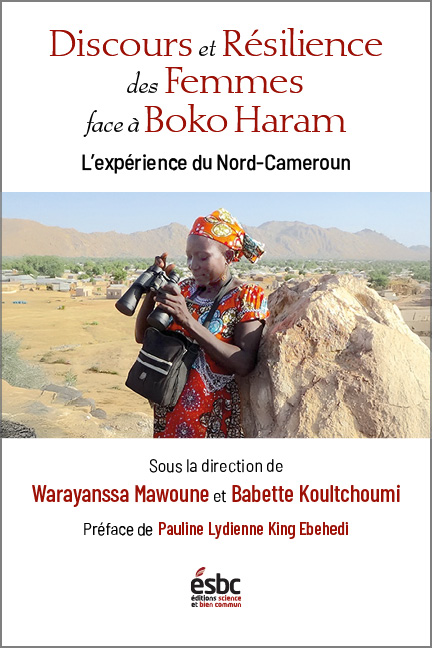 Sous la direction de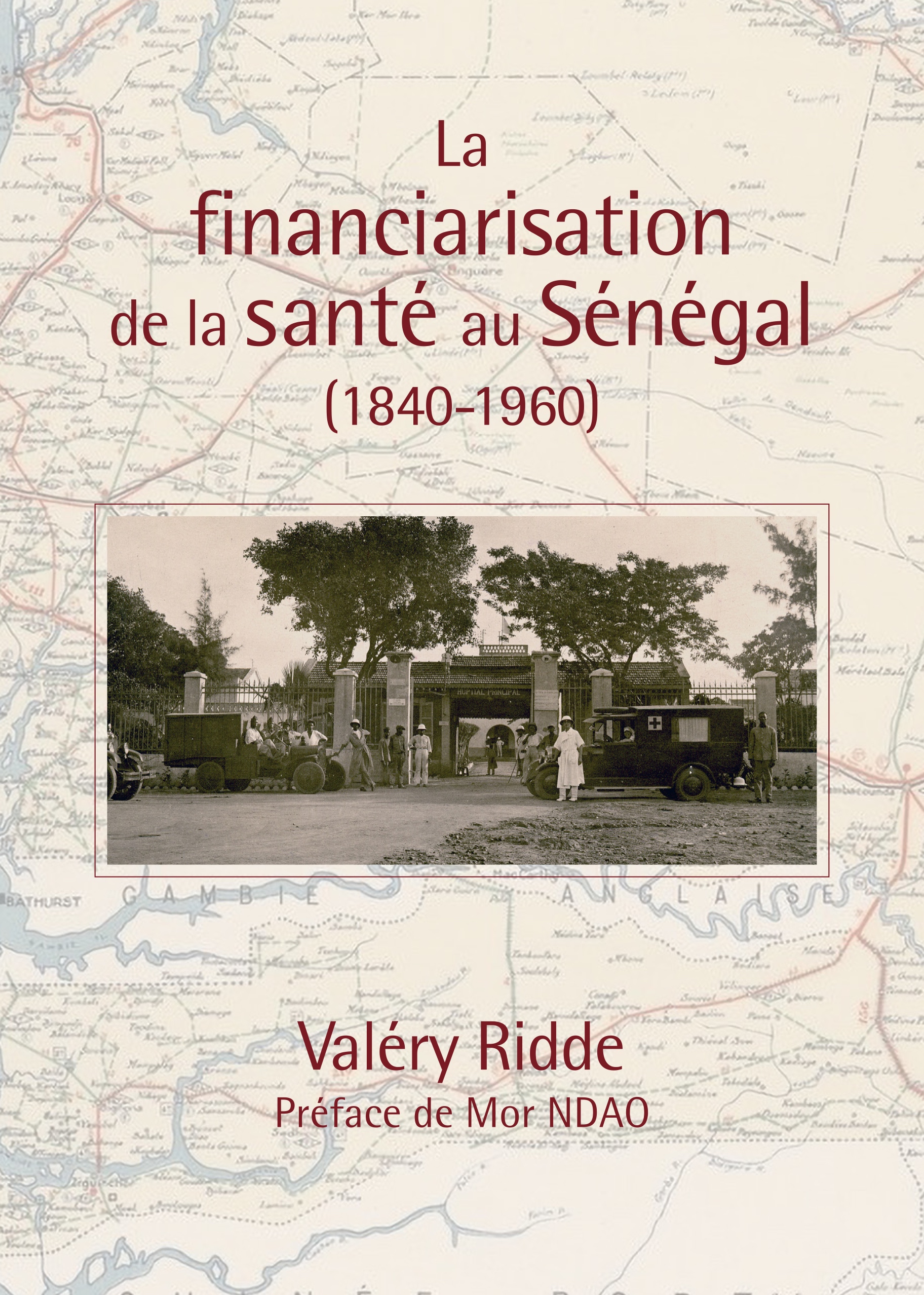

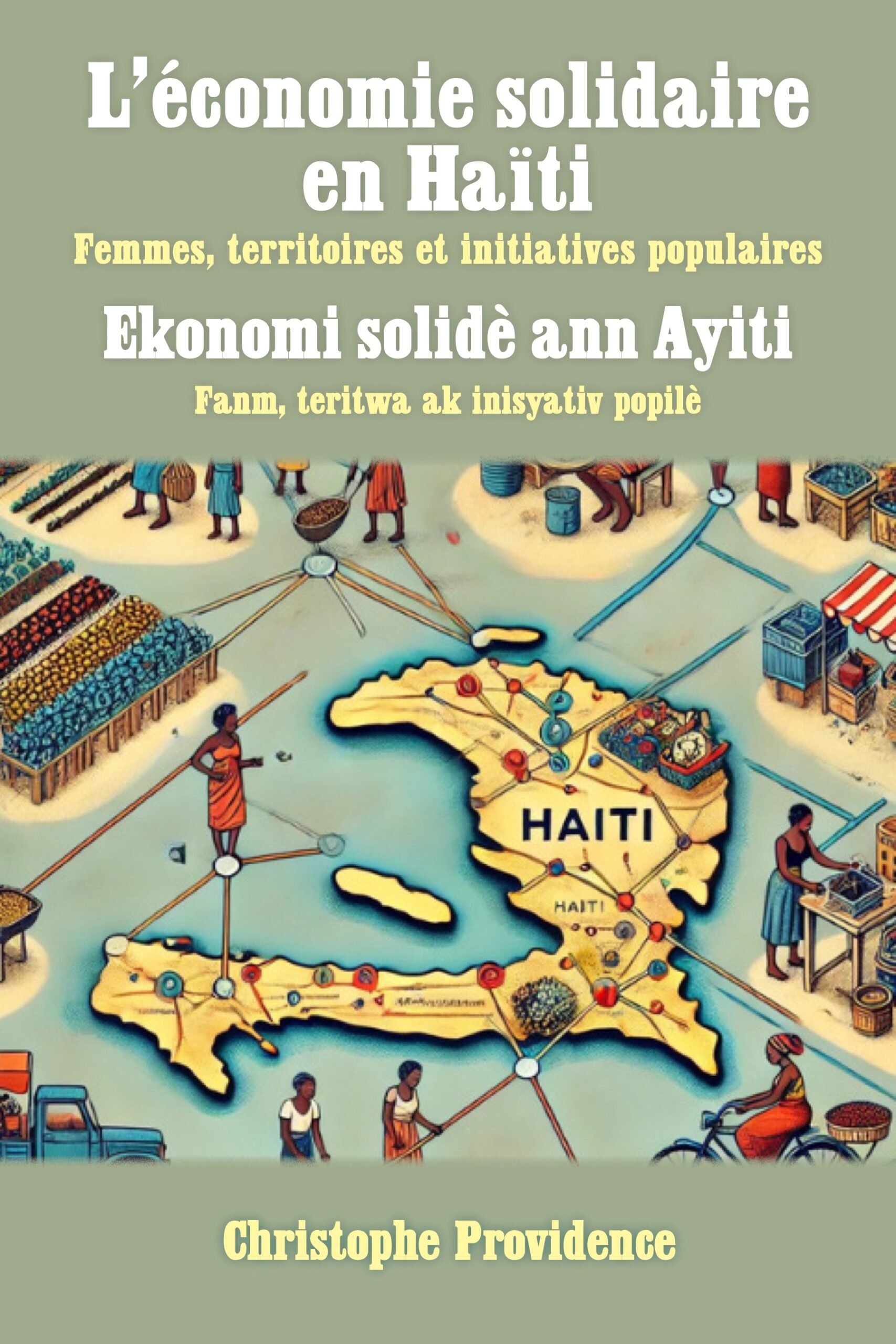

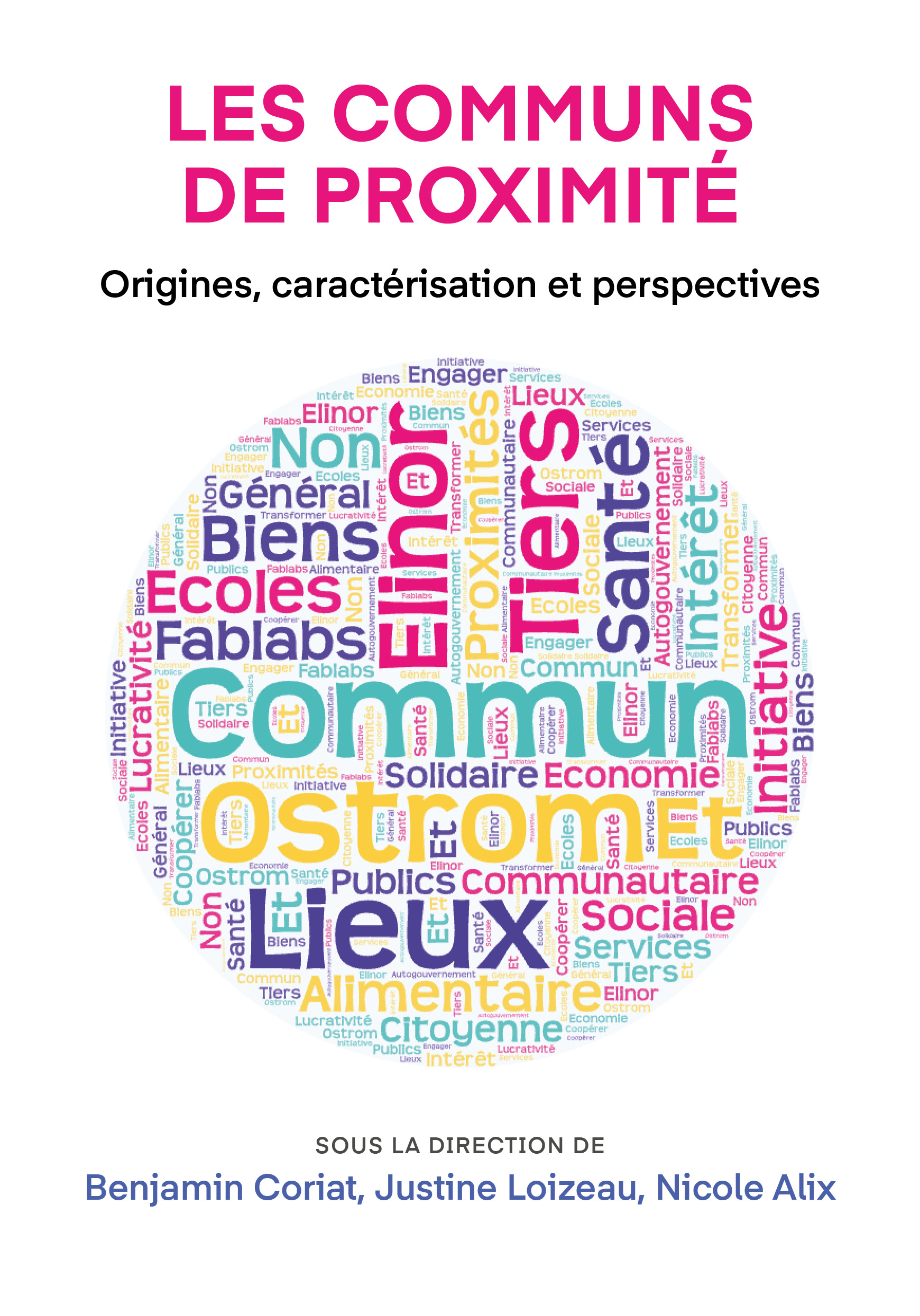


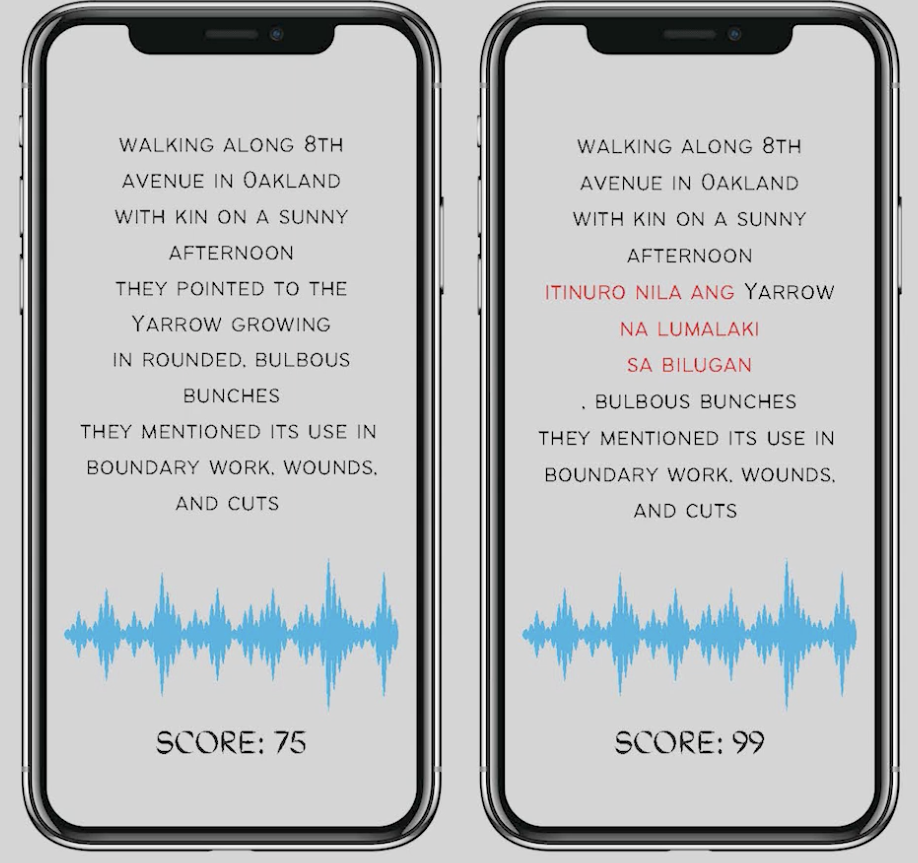












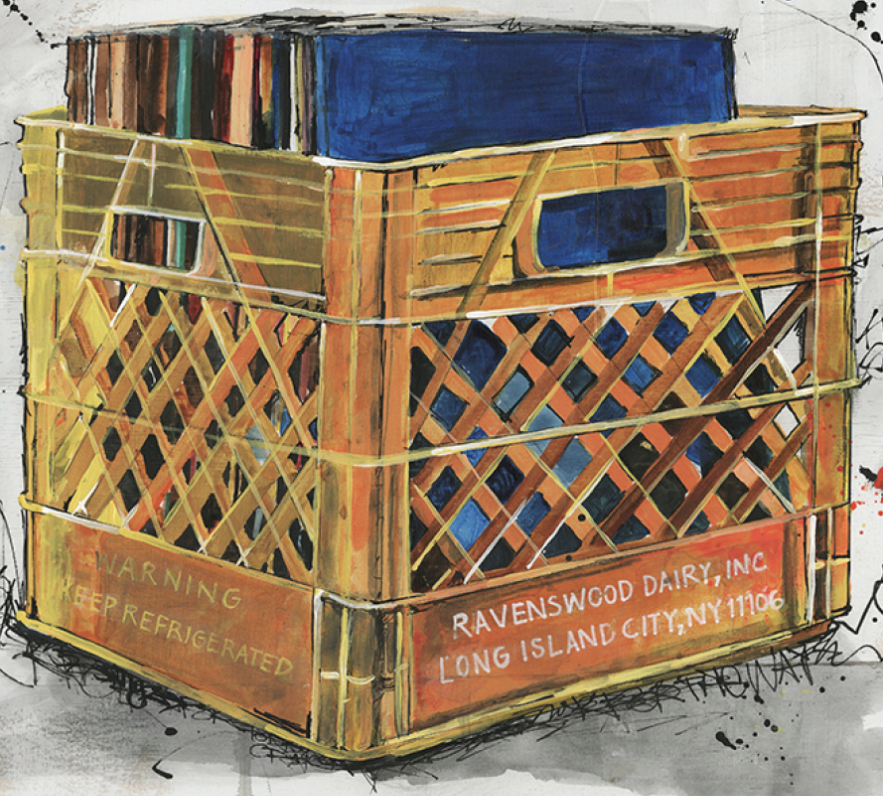

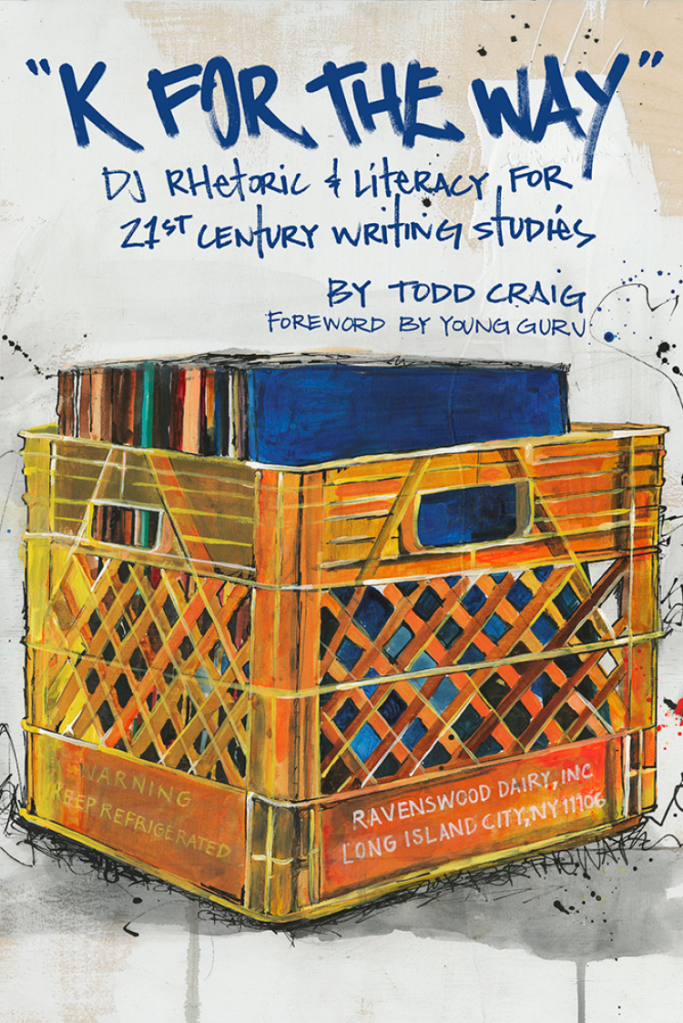
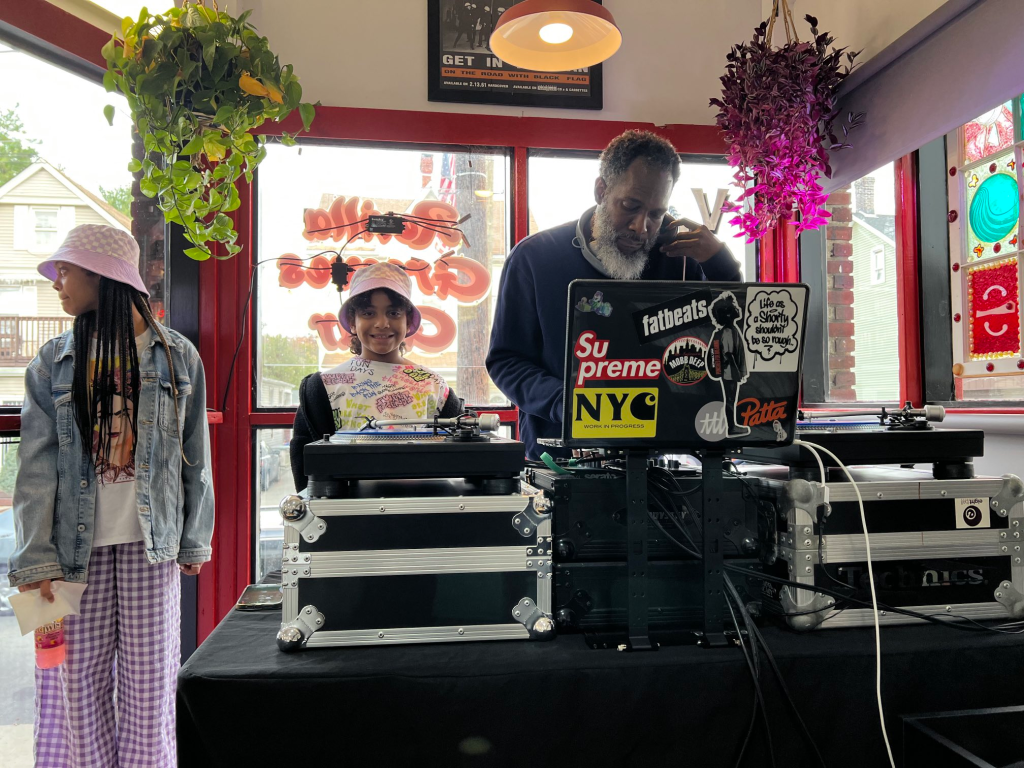
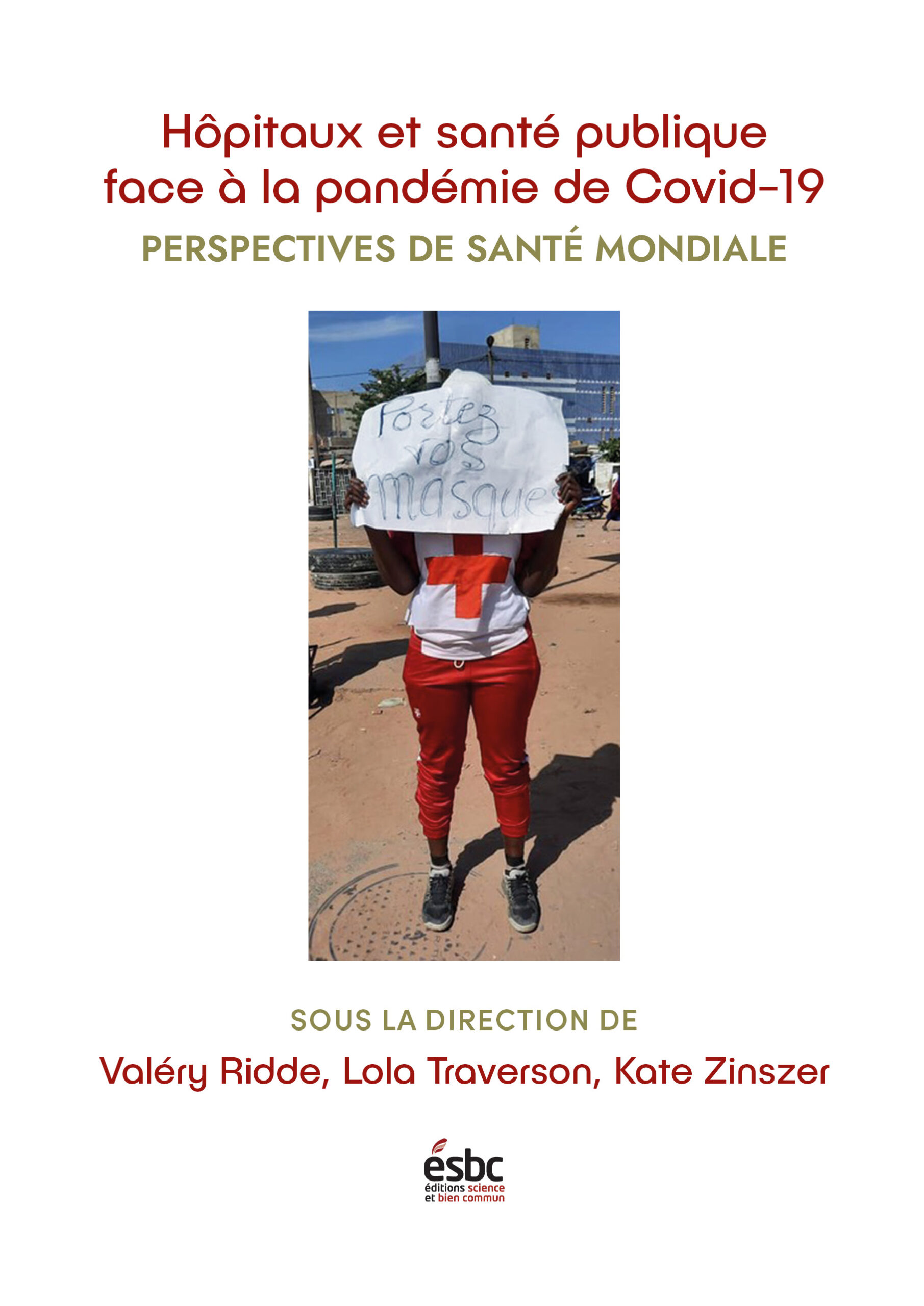



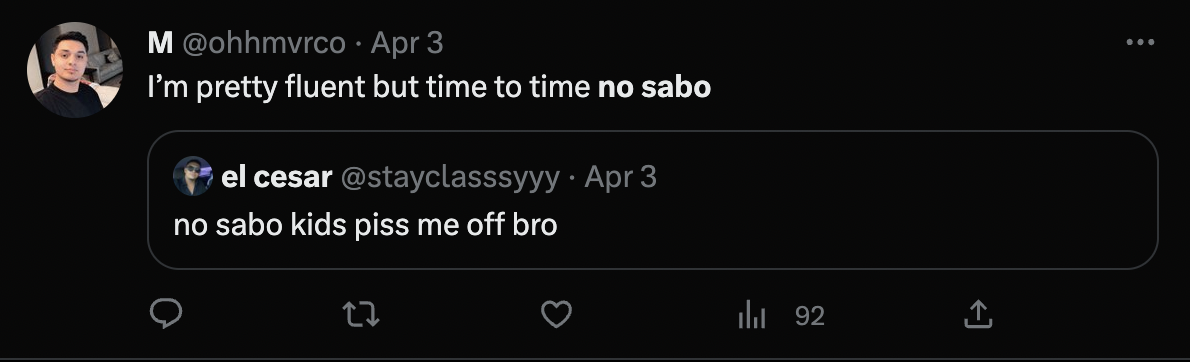
 I’m not tryna have some no sabo kids
 (@SimplySelena101)
  (@miblogestublog)
  M
M